
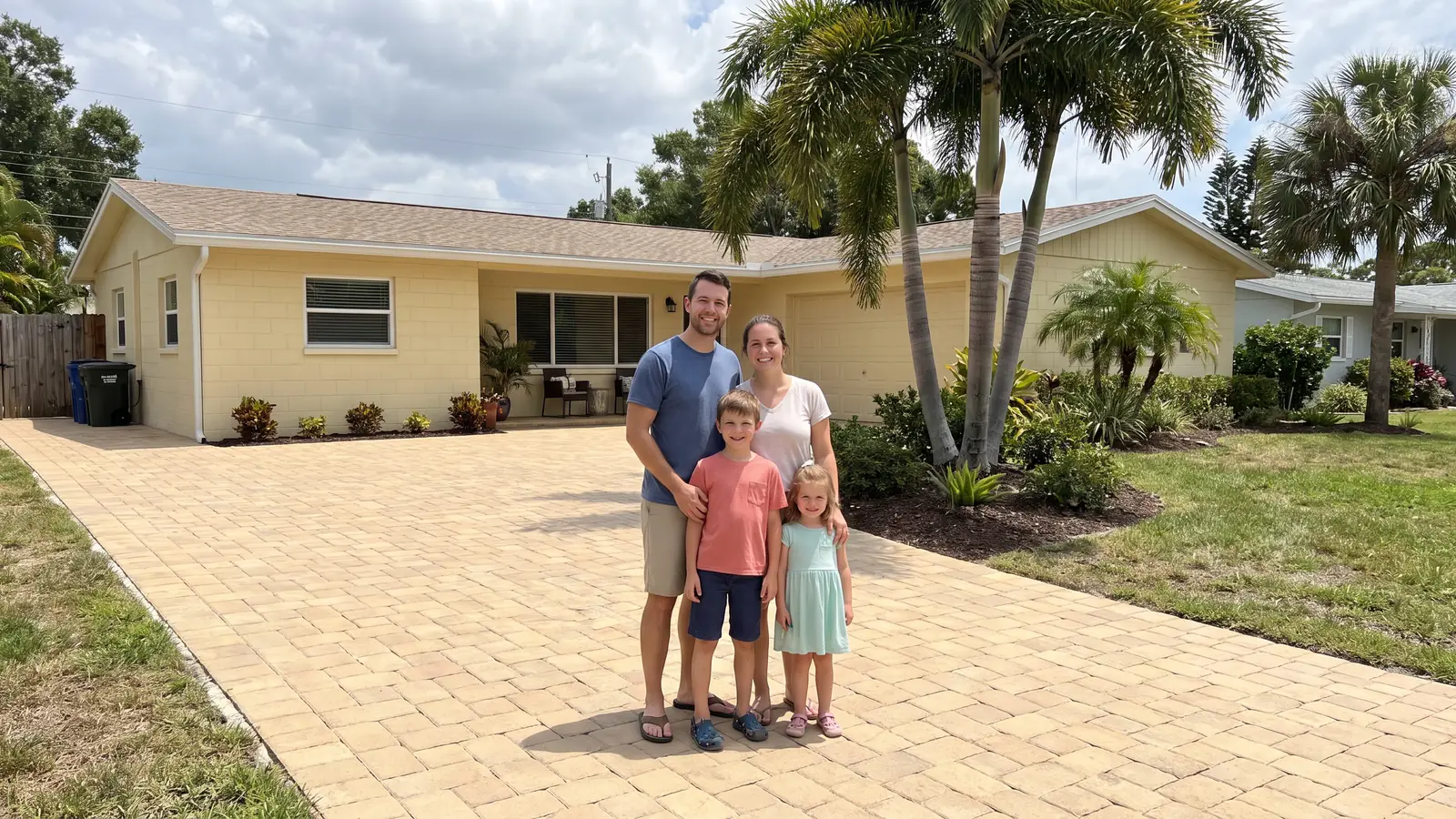
Paver sealing for Argyle Forest homes
Paver Sealing in Argyle Forest, FL
Argyle Forest homes went up between 1981 and 2003, so call (904) 541-9860 for a free paver sealing estimate.
- Brings out deeper paver color
- Fresh joint sand helps lock pavers in place
- Gives weeds less room to grow
- Makes the surface easier to keep clean
- Free estimate, no obligation
Request a Free Estimate
Free, no obligation.
Fast, careful paver sealing in Argyle Forest
Argyle Forest homeowners can get paver sealing from a local contractor, starting with a no-charge estimate on a drive, a lanai, a walk or a pool deck. Streets near Argyle Forest Park and the lake lots in Plum Tree are both covered. Expect an answer within 1 business day, usually much sooner, and call (904) 541-9860 to put a visit on the calendar.
Think of the walk to your front door with a gray film, wide joints and a few green sprouts along the edge. After a wash, new sand and a fresh coat, it looks like one even surface again, and the yard looks tended. Not ready to call? If you have a question first, get a free estimate and tell the contractor what you see.
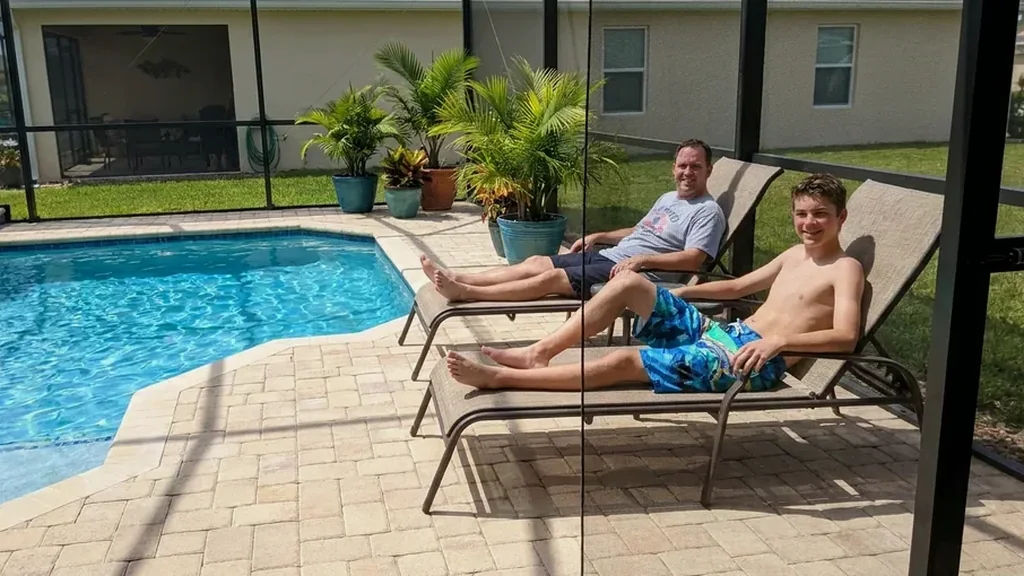
Why hire a local paver sealing contractor in Argyle Forest?
Argyle Forest grew in stages from a 1975 plan, so a single street can hold pavers of three different ages. A local contractor sorts that out on the first walk, and you can get a free estimate to set one up.
A free first walk
A local contractor looks at your Argyle Forest drive, walk or pool deck and quotes a price in writing. You decide afterward.
A range to hold bids against
Regional posted pricing is $1.75 to $3.25 per square foot, wash through coat. Line any Argyle Forest quote up with that.
Association rules first
If your street has an HOA, read its written guidelines before picking a finish. The contractor can work inside them.
Your calendar wins
Choose the day that suits your family and the forecast. An Argyle Forest estimate carries no duty to book.
Get Your Free Estimate in Argyle Forest
Tell us about your pavers in Argyle Forest.
Free, no obligation
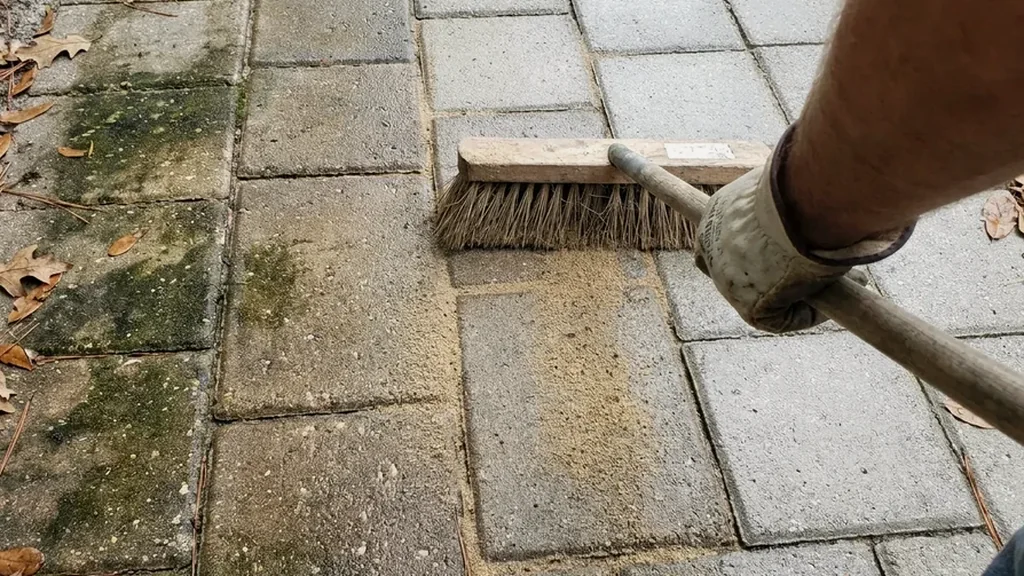
What paver problems show up most in Argyle Forest?
Streets that aged together
Tax roll figures show Argyle Forest homes built from 1981 to 2003, with a median of 1990. Streets built together tend to wear together, so a whole block can need attention in the same few years. Chimney Lakes listings show homes from 1986 to 2005, while Argyle Corners has houses from 1991. Pavers that have sat through three decades of Jacksonville summers lose color and joint sand. A wash and a fresh coat is the usual first step. Ask which year your street was built, since even a few years of age gap changes what the pavers need.
Ground that holds water
The USDA says the Pottsburg soil series, first described in Duval County, is somewhat poorly to poorly drained sand with a seasonal high water table 0 to 24 inches down. That figure comes from a county-level soil description, so your own lot could be different. Where the ground stays damp, a paver base can soften. One Jacksonville company says sinking and washouts are the top reason pavers fail, and a dip at the edge of the drive is the first place to look. If water sits near your drive after a storm, tell the contractor which corner so it can be checked last. Chimney Lakes listings show a median elevation near 58 feet, so high ground does not promise fast drainage.
Weeds and ants in wide joints
Weeds appear where joints have widened and lost sand, letting soil in. According to a landscape trade guide, the most effective way to keep weeds out is stabilizing the joint sand with a sealer. Another Jacksonville company notes that sealing locks the sand in place, preventing disturbance from plant growth and insect activity. Pulling weeds is a short-term fix, since sealed sand is what keeps them out. Candlewood, near Argyle Corners, has 202 homes built from 1979 into the 1990s, so older joints are common there.
Rules in your HOA papers
Of 32 recent listings and sales, 22 report an HOA, and some Argyle Forest sections have one while others do not. Condos make up about 29 percent of recent sales. A shared walk or entry may belong to the association, not to you. Ask who owns the surface before you book, and ask for any color rules in writing. A written note from the association saves a second visit.
A coat that went on cloudy
White, cloudy sealer almost always comes from damp pavers or too heavy a coat, according to one Jacksonville paver company. A failed coat has to be stripped before a new one goes on. Alliance Gator, a product maker, notes that water-based sealers are sensitive to moisture after application. A dry stretch matters before the job and after it. If your coat looks hazy or patchy, the contractor can tell you whether a wash or a strip is the fix. Sealing too soon after a wash is the usual cause, so the contractor allows for drying time.
Do Plum Tree, Chimney Lakes and the condo streets all get paver sealing?
Yes, all of them. Plum Tree, off 103rd Street, is a long-established single-family neighborhood where some lots back onto small lakes. Chimney Lakes homes date from 1986 to 2005, Argyle Corners has houses such as those built in 1991, and Candlewood has 202 homes from 1979 into the 1990s. Give the contractor your neighborhood when you get a free estimate.
Argyle Forest mixes housing types. About 71 percent of recent listings and sales are single-family and 29 percent are condos, based on tax roll data. A shared walk at a condo may belong to the association, so find out who owns the surface before you book. Call (904) 541-9860 if you are not sure who owns what.
In Chimney Lakes, listings report an HOA on 25 of 25 homes. Florida's HOA law, Statute 720.3035, confines an association's review to what its own documents say. Ask for the written guidelines on color and finish, because a match saves you a second job. Then get a free estimate with what you learn.
What does paver sealing cost in Argyle Forest?
Posted regional pricing for cleaning, re-sanding and sealing is $1.75 to $3.25 per square foot, and condo and single-family jobs both price by measured area. In Argyle Forest the number moves with the age of the pavers, the sand that has washed out and the size of the surface. For a figure that fits your home, get a free estimate.
Old sealer is the biggest wild card. A failed coat has to be stripped before the new one goes on, and that adds hours. Safe Touch, a regional company, says sand lost to summer storms must be put back before sealing, and it prices only after the joints are inspected. Call (904) 541-9860 to learn which of these apply to your lot before anything starts.
| Paved area | Typical example | Clean, sand and seal |
|---|---|---|
| 300 sq ft | Small patio or walkway | $525 to $975 |
| 600 sq ft | Two car driveway | $1,050 to $1,950 |
| 1,000 sq ft | Large driveway or pool deck | $1,750 to $3,250 |
| 1,500 sq ft | Driveway plus pool deck | $2,625 to $4,875 |
Math based on the $1.75 to $3.25 per square foot that Northeast Florida paver companies published as of November 2026. Your contractor sets the actual price after seeing the surface. Repairs, leveling and stripping failed sealer are usually extra.
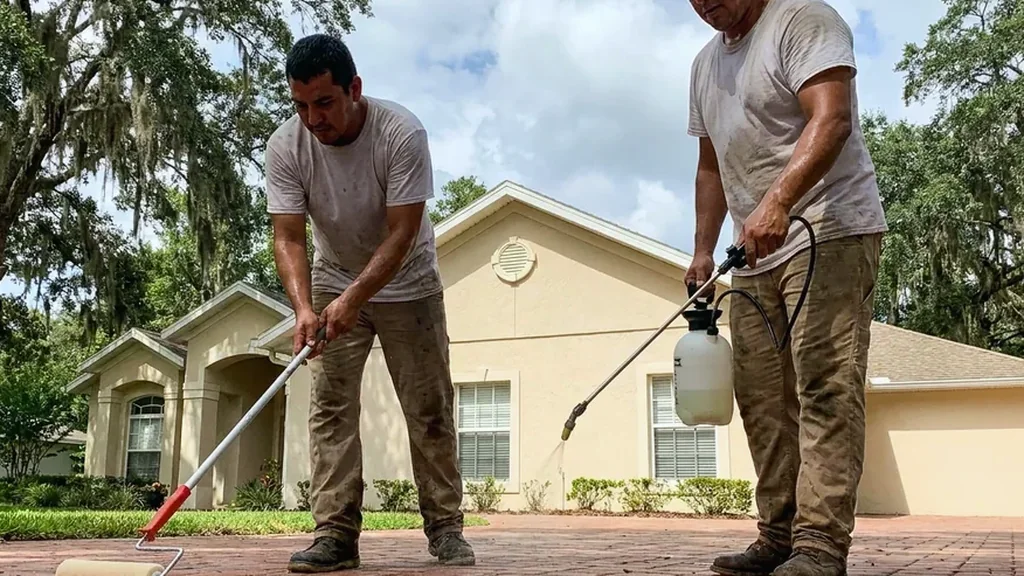
How does a paver sealing job work in Argyle Forest?
Walk the surfaces and test for an old coat
The contractor walks the drive, walk, lanai and pool deck, noting soft spots and low corners. Argyle Forest pavers could be anywhere from a few years old to thirty, so the old coat matters. A product maker says water-based sealer can never go over solvent-based sealer. If the surface is cloudy or flaking, the old product has to come off first. The same walk-through is when the contractor measures every surface for the quote. Mention any sealing you remember from earlier owners, even if the details are thin.
Wash with the right pressure
Cleaning comes next. PaverGuard, a Jacksonville company, warns that traditional high-pressure washing can damage pavers by loosening joints, eroding the surface or dislodging sand. So the pressure is kept in check. Gray film, algae and stains lift off at this stage. Rinse water stays off the pool and away from the house. Pool decks and lanais get lower pressure than drives.
Fill the joints with new sand
Sand lost to summer storms must be replaced before sealing. Full joints give weeds and soil far less room. The contractor sweeps the surface after the joints are full, then checks the edges where sand runs low first. Joint sand comes in several colors, and a close match hides dirt between washes. Edges are the first place sand runs low, so they get a second pass. Sweeping off the extra grains keeps them from sitting on top of the new coat.
Wait for a dry window
Sealer needs a dry surface. One Jacksonville company says never to seal a damp surface or right before a forecast downpour. With roughly 53 inches of rain a year, the day gets chosen with care. A low corner can stay wet longest, and it gets checked last. Check your own sprinkler schedule too, and keep the lawn timers off while the surface cures.
Apply the finish and stay off it
Next the coat goes on in the finish you chose. A Jacksonville sealing company says its product wants 2 to 4 hours before feet and a full 24 hours before tires. Ask how long your product needs before a car can return. Then enjoy a surface that sheds water and holds its sand. Have the product name written down for whoever seals next.
Complete paver services in Argyle Forest
An Argyle Forest job runs in four stages: wash, re-sand, dry and seal. The wash clears film, algae and stains, and new sand goes into the joints so soil cannot settle in. Sealer is the last step, so dirt is never locked under it. To hear how many days your lot may need, call (904) 541-9860.
Drives here take tire weight and long summer sun. Lanais and pool decks take splash, sunscreen and shade, and front walks take foot traffic and mowers. Each surface may call for a different finish, and the contractor sorts that out before quoting. List your surfaces when you get a free estimate.
Sealer choice starts with the old coat. Stallone's Pro Wash lists four finishes, from wet look high gloss to natural matte, and says sealer lasts two to five years in Northeast Florida. A wet look shows scuffs sooner than matte. To talk finishes, call (904) 541-9860.
Timing here follows the weather. Jacksonville's rain peaks from May to September, often in short, hard storms, so a clear stretch matters. One local company puts full-sun driveways near 18 to 24 months between coats and shaded walks near 24 to 36. To fit a date to your street and your calendar, get a free estimate.
Questions to ask before you hire
- Will the sealer bring back some of the color my pavers have lost?
- Will you rinse the sand off my driveway edges and walkways before you leave?
- How do you clean older pavers without wearing down the surface?
- Who will be working at my house on the day of the job?
- What can be done about the white powder that keeps rising out of my newer pavers?
- How long should my kids and my dog stay off the pavers after the sealer goes on?
- How do you deal with weeds and ant hills coming up through the joints?
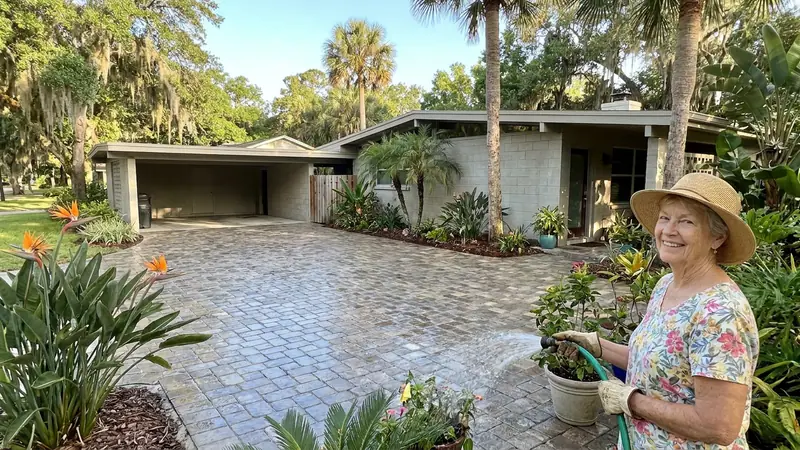
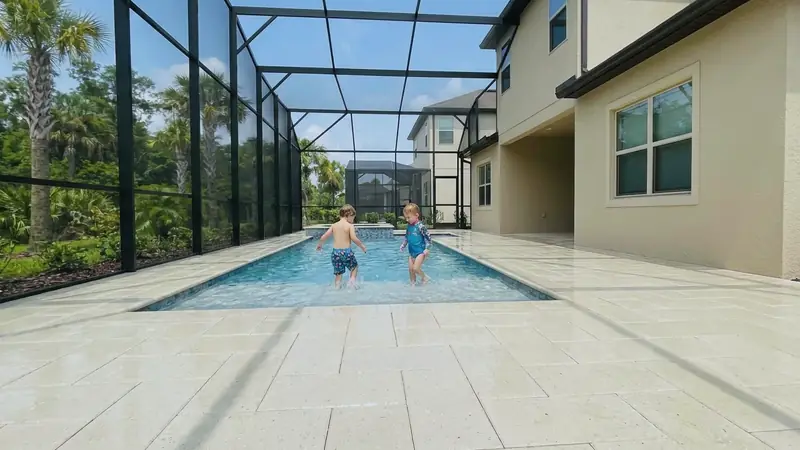
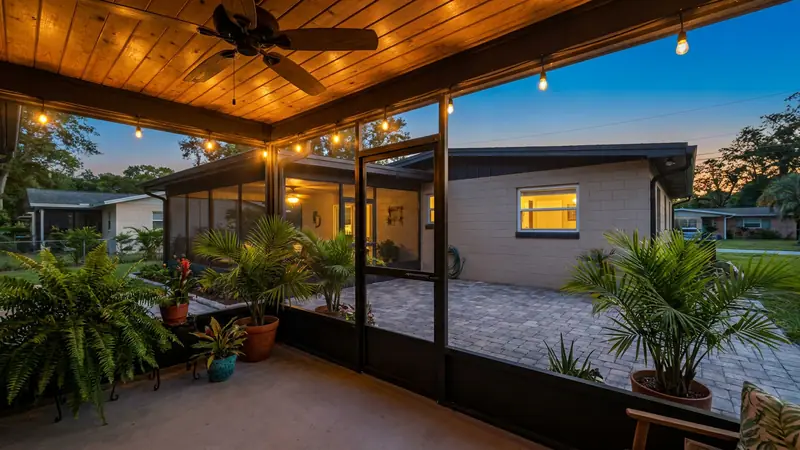
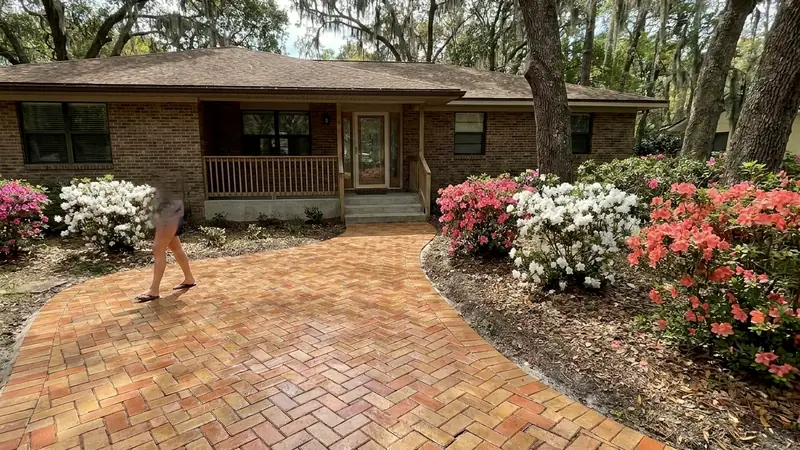
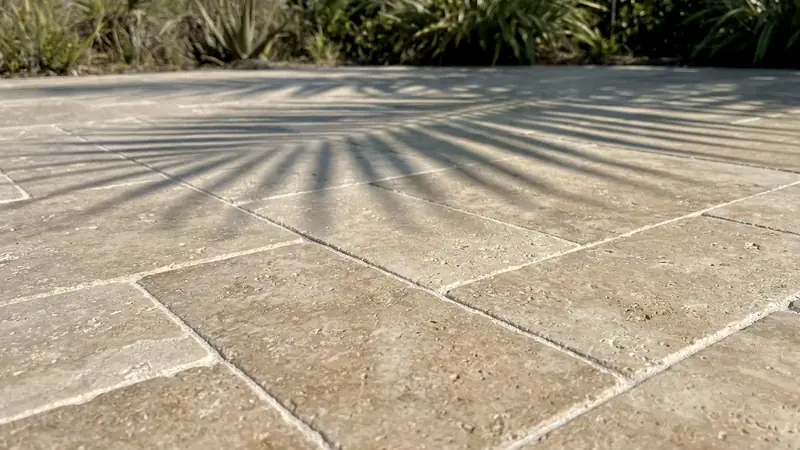
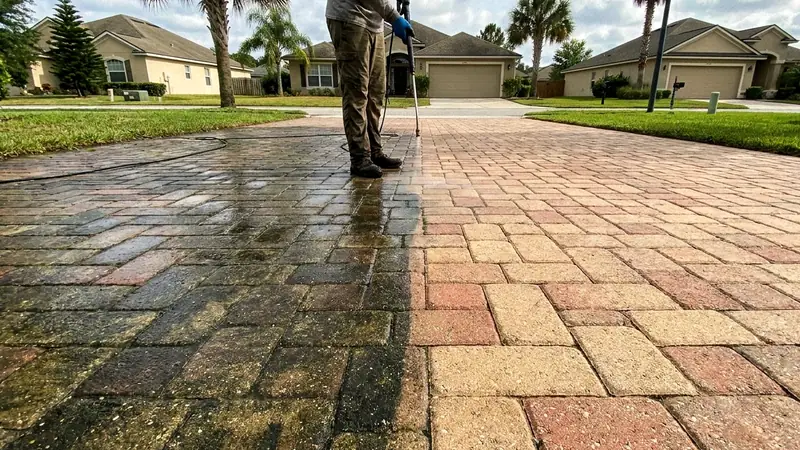
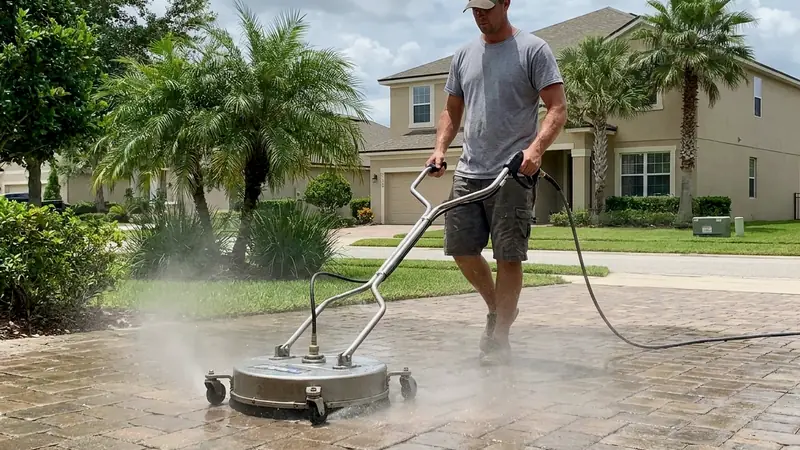
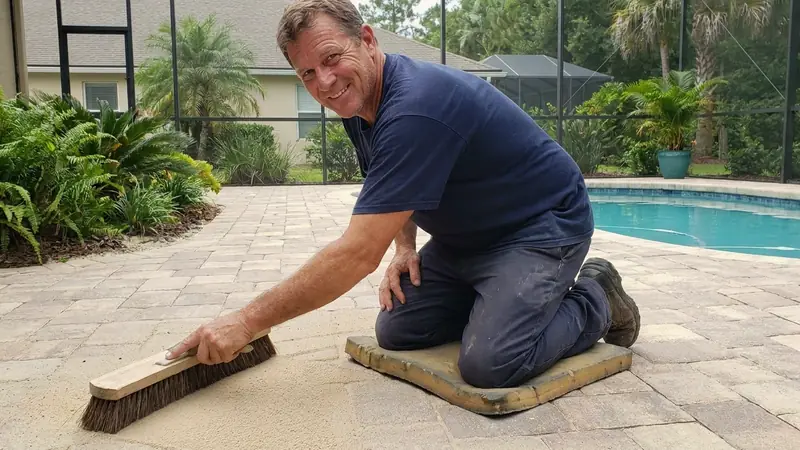
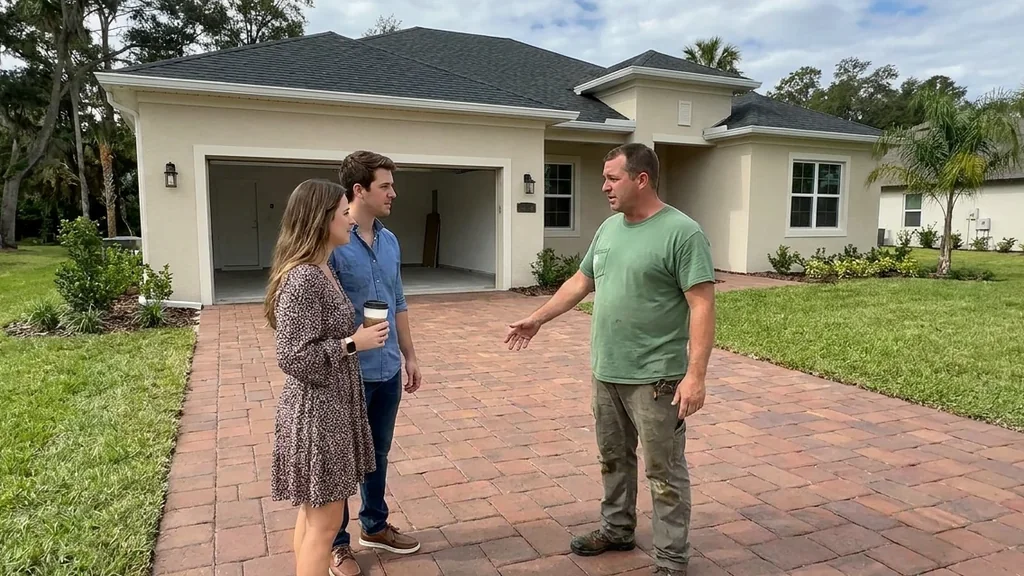
What do sealed pavers look like around Argyle Forest?
Why local matters in Argyle Forest
A contractor familiar with Argyle Forest remembers it was planned in 1975 and filled in over decades. That means pavers of different ages on neighboring lots, and an old coat is likely somewhere. A newcomer to the area may not test for it, and may seal right over a problem. For a contractor who knows the Westside, call (904) 541-9860.
Rules matter locally too. Many Argyle Forest sections have an HOA and others do not, so the first question is what your papers say. With 22 of 32 recent listings reporting an HOA, a local contractor asks it before quoting a finish. If you are not sure, get a free estimate and ask what to look for.
Weather and ground matter as well. Duval County soils are sandy and often drain slowly, and summer storms can empty a joint in one season. A contractor who has worked here plans the sand and the drying time to match what the ground is doing that week. Call (904) 541-9860 and point out any low spots near your drive or lanai.
Is Argyle Forest one of Jacksonville's planned communities?
Yes, Argyle dates to a 1975 plan by Gulfstream Land Development, one of the first developments of regional impact approved in Florida. Jacksonville put a building moratorium on the area in 1992 until Argyle Forest Boulevard was widened, which happened in two phases in 2005 and 2007. Argyle Forest Park, donated by the developer in 1988, still hosts T-ball, softball and baseball, so if you live near the park, get a free estimate.
Oakleaf Town Center anchors the retail side at Argyle Forest Boulevard and Old Middleburg Road, and Chimney Lakes Elementary sits on the same boulevard. The Argyle Branch library is on Old Middleburg Road, which the city began widening in July 2024 with walkways and a bike lane. The whole area sits west of Blanding Boulevard on the Westside. From the town center to the library, call (904) 541-9860 and say which street is yours.
Frequently Asked Questions
What makes paver sealing so expensive in Argyle Forest?
Prep takes more of the budget than the sealer does. Washing, re-sanding and drying all come before the coat. The posted regional range is $1.75 to $3.25 per square foot, so use it as your yardstick and ask what each quote includes. Ask the contractor to list the washing, sanding and sealing steps on the quote. A written scope makes bids easy to compare.
Which water-based sealer is right for Argyle Forest pavers?
It depends on the finish you want and what is on the pavers now. A product maker says water-based sealer can never go over solvent-based sealer, so the old coat must be identified first. The same maker notes water-based sealers are sensitive to moisture after application, so a dry week helps. Hold onto the product label from your job.
How many years does paver sealing last in Argyle Forest?
Many local companies plan on two to five years before the next coat. One Jacksonville company puts full-sun driveways near 18 to 24 months and shaded walkways near 24 to 36. A long, sunny Argyle Forest drive points toward the shorter end. Water that soaks in instead of beading is the sign. A longer interval is more likely on a shaded walk with light foot traffic.
How much does paver sealing cost in Argyle Forest?
Budget $1.75 to $3.25 per square foot, which is what Northeast Florida companies post. An Argyle Forest quote shifts within that range with old sealer, lost sand and area. Have the measured area written on each quote so the bids line up. One visit for every surface keeps the per-foot rate lower. Strip-and-reseal jobs run higher when the old coat has failed.
Does an Argyle Forest HOA control sealer color?
Only if your papers say so. Some Argyle Forest sections have an HOA and others do not. Under Florida Statute 720.3035 an association is held to what its documents state or reasonably imply, so get any rules in writing before you pick a finish. A short note from the board settles it.
Will sealing stop weeds in my pavers?
Yes, a lot. A landscape trade guide says stabilizing the joint sand with a sealer is the most effective way to prevent weeds. Fresh sand goes in first, since empty joints under a coat still let weeds in. Weeds pulled by hand tend to return.
Is high-pressure washing bad for pavers?
It can be. PaverGuard, a Jacksonville company, says traditional high-pressure washing can loosen joints, erode the surface and dislodge sand. A careful contractor matches the pressure to the paver and replaces lost sand before sealing. Ask the contractor what pressure setting is used on your surface.
How soon can I use my driveway after sealing?
A Jacksonville sealing company says its product needs 2 to 4 hours before foot traffic and 24 hours before cars. Your product and the weather may change that. Ask the contractor for the exact wait, and plan to park on the street the first night. Pets and children should stay off until the contractor gives the all-clear.
Ready for a Free Estimate in Argyle Forest?
Call (904) 541-9860 and tell us about your pavers.
Free, no obligation